
…we begin
In realms where sapphire skies meet emerald green,
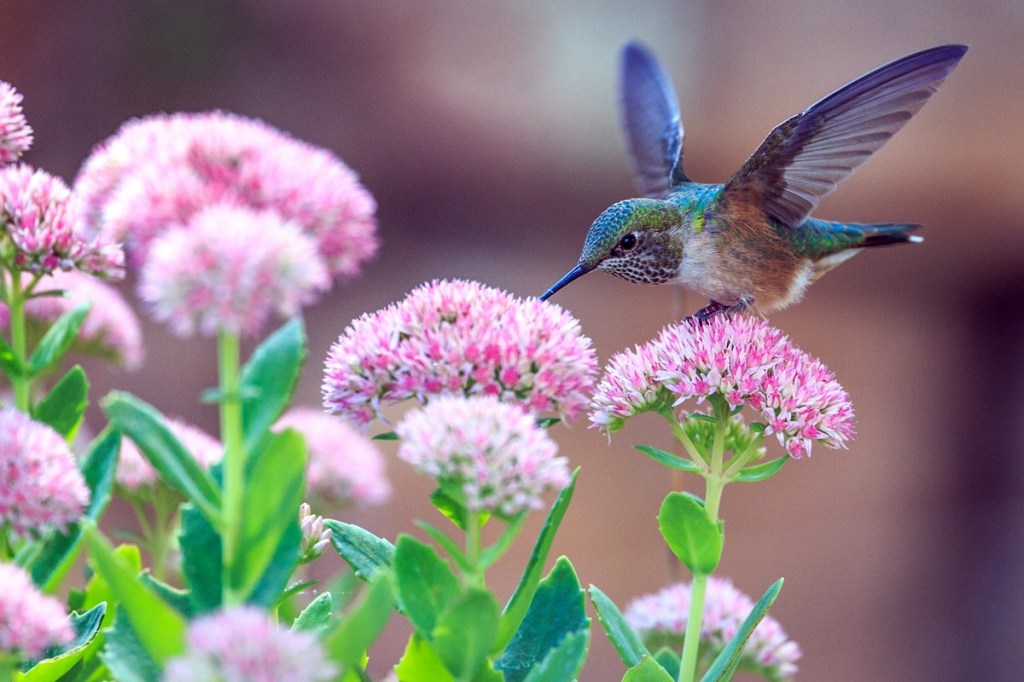
A hummingbird, a tiny jewel, is seen,
Its plumage radiates a tale untold,
Enduring storms with tenacity bold.
Within the tumult of Brandywine’s strife,
This feathery sentinel, a guardian’s life,
Through cannon’s roar and musket’s icy breath,
It hovers, a beacon, transcending death.
In shadowed valleys of the Revolutionary War,
The hummingbird, a minuscule metaphor,
Watches over soldiers, hearts intertwined,
With threads of hope in their spirits bind.
Feathers aflame with hues of vibrant gold,
Weathering tempests, tales of old retold,
A living emblem of resilience grand,
Amidst chaos, it hovers, a steady hand.
Through the Battle of Brandywine, it weaves,
A tapestry of courage, a heart that believes,
Each beat of wings, a testament to endure,
A jewel in flight, steadfast and pure.
The flowers, once dormant, now pink in bloom,
As winter’s grasp recedes with nature’s groom,
The hummingbird returns to sweet reprieve,
A dance in blossoms, a respite achieved.
Pink petals whisper tales of battles won,
As the hummingbird, beneath the warming sun,
Embodies hope in every vibrant hue,
A symphony of endurance, strong and true.
In the dance of nature, a timeless song,
The hummingbird’s endurance echoes strong,
Through storms of war and blossoms’ sweet return,
Tenacity prevails, forever to discern.
… the end
- Size and Weight: Hummingbirds are among the smallest birds in the world. The average size ranges from 3 to 5 inches (7.5 to 13 cm) in length, and their weight typically varies from 2 to 20 grams, depending on the species.
- Flight Abilities: Hummingbirds are exceptional flyers, capable of hovering in mid-air by rapidly flapping their wings. They can also fly backward and even upside down. Their wings beat at an incredible rate, ranging from 50 to 80 beats per second.
- Metabolism: Hummingbirds have an incredibly high metabolism to support their energy-intensive flight. They need to consume large amounts of food to fuel their rapid wing beats, with some species feeding up to 14 times their body weight in a single day.
- Heart Rate: The heart rate of a hummingbird is astonishingly fast, ranging from 1200 to 1600 beats per minute during normal activity. During intense activity, such as courtship displays, their heart rate can exceed 1,200 beats per minute.
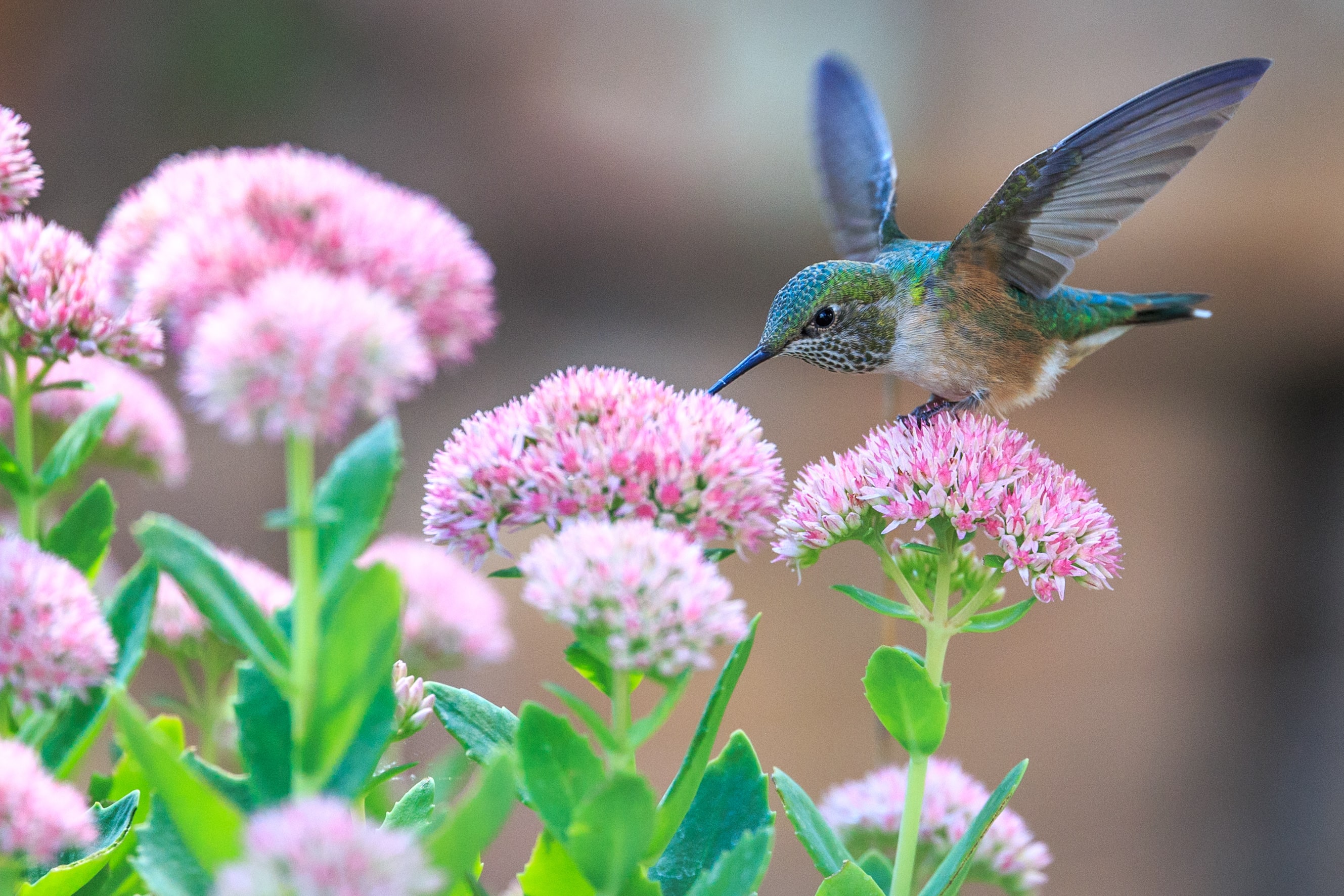
- Feeding Habits: The primary source of nutrition for hummingbirds is nectar from flowers. They have specialized long bills and extendable, tube-like tongues that allow them to reach deep into flowers to extract the sweet liquid. Additionally, they consume small insects and spiders for proteins and nutrients.
- Colorful Plumage: Hummingbirds are known for their vibrant and iridescent plumage. The brilliant colors result from the microscopic pigments in the feathers that refract light, creating a dazzling display. The colors can change depending on the angle of the light and the bird’s movements.
- Migration: Some species of hummingbirds are migratory, traveling long distances between their breeding grounds and wintering habitats. The Ruby-throated Hummingbird, for example, migrates up to 3,000 miles (4,800 km) between North and Central America.
- Territorial Behavior: Hummingbirds can be highly territorial and will fiercely defend their feeding and nesting territories. They use elaborate aerial displays, including rapid dives and aggressive chattering, to discourage intruders.
- Elongated Bills: The bills of hummingbirds are adapted to the shape of the flowers they feed on. Some species have long, slender bills for accessing tubular flowers, while others have shorter, sturdier bills for feeding on broader blooms.
- Short Lifespan: Despite their remarkable abilities, hummingbirds have relatively short lifespans. The average lifespan is around 3 to 5 years, with many succumbing to predators, accidents, or harsh weather conditions during their migratory journeys.

 Paint2Pixels