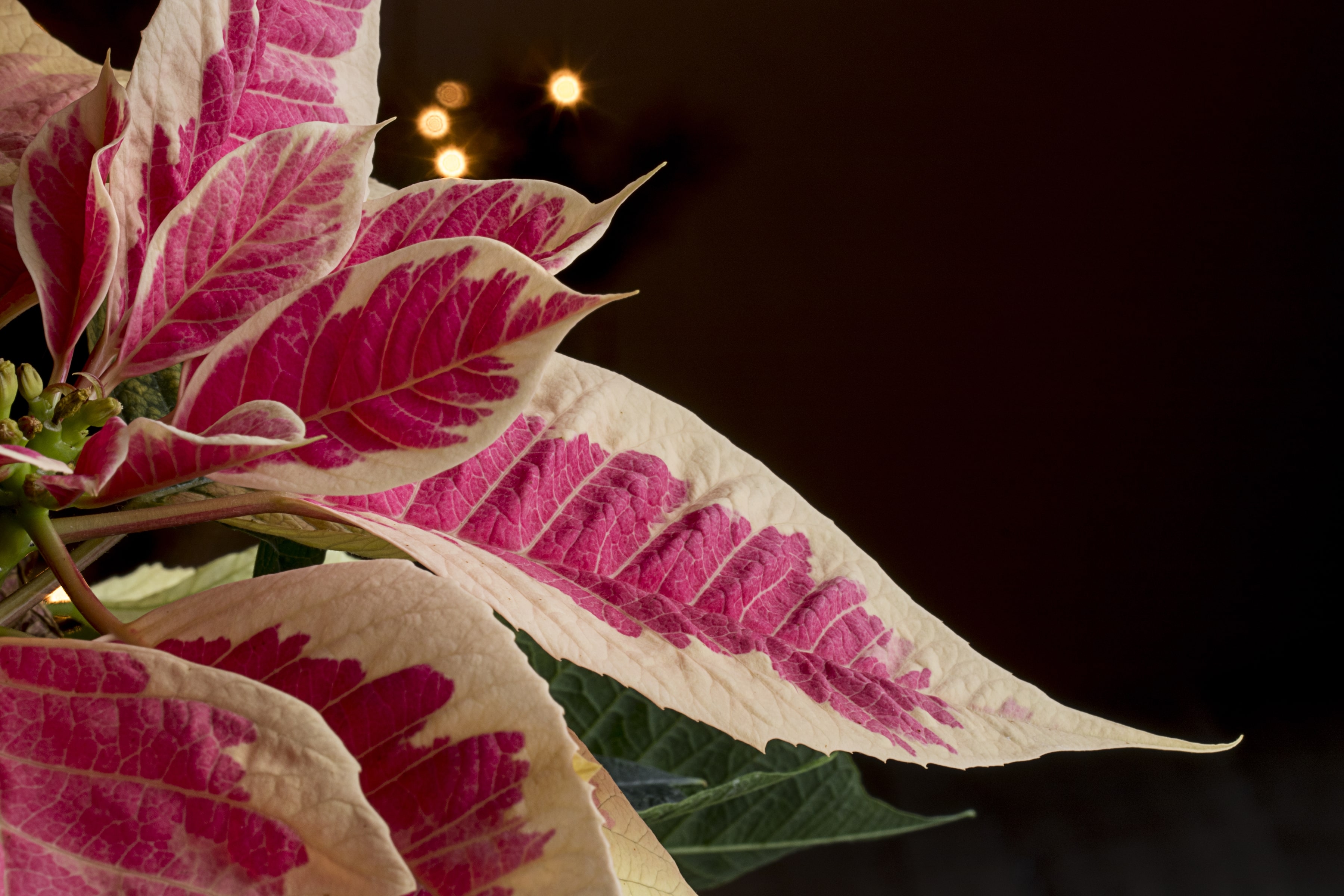

… introduction and free photo download
Poinsettias (Euphorbia pulcherrima) are renowned for their vibrant red bracts that grace homes during the festive season. While traditionally associated with Christmas, these stunning plants can be enjoyed year-round with proper care, tailored to your specific garden zone. In this comprehensive guide, we’ll explore the secrets to growing poinsettias throughout the entire year, taking into consideration the unique characteristics of different garden zones, and provide insights into what to expect at different stages of their growth.
Understanding Your Garden Zone:
Before diving into the seasonal care tips for poinsettias, it’s crucial to identify your garden zone. The United States Department of Agriculture (USDA) Plant Hardiness Zone Map categorizes regions based on their average minimum winter temperatures, helping gardeners select plants that thrive in their specific climate. Poinsettias generally do well in zones 9-11, which encompass warmer climates with mild winters.
Spring:
In warmer zones (9-11), spring offers an early start to the growing season. Begin by pruning the poinsettias back to encourage bushiness, leaving about 6-8 inches of growth. Repot if necessary, using well-draining soil, and place the plants in a sunny location with indirect light. Water consistently and feed with a balanced fertilizer to support robust growth.
For gardeners in cooler zones, consider starting poinsettias indoors during early spring, gradually acclimating them to outdoor conditions as temperatures rise. Pay attention to frost dates and ensure the soil has warmed sufficiently before transplanting.
Summer:
As summer arrives, poinsettias in warmer zones can be transitioned outdoors to enjoy the sun. Ensure they are placed in filtered sunlight to protect them from intense heat. In cooler zones, outdoor placement is ideal once all danger of frost has passed.
During summer, growth accelerates, and the lush green foliage becomes more prominent. Monitor for pests, provide regular pruning, and maintain consistent watering practices. Cooler zone gardeners should consider potted poinsettias, allowing them to be brought indoors if temperatures drop unexpectedly.
Fall:
In preparation for the holiday season, all garden zones can benefit from similar fall care practices. Around early October, initiate the darkness treatment to induce the signature red color in the bracts. For warmer zones, this can be done outdoors, while cooler zones may require moving poinsettias indoors during the nighttime hours.
As fall progresses, anticipate the formation of flower buds and the gradual transition of bracts to their iconic red hue.
Winter:
Regardless of your garden zone, winter care is crucial for sustaining the beauty of poinsettias. Ensure they receive ample sunlight during the day, and avoid exposure to drafts or heating vents. In cooler zones, consider bringing poinsettias indoors during frosty nights to protect them from extreme cold.
Post-Holiday Care:
After the festive season, continue caring for your poinsettias to ensure their longevity. Prune them back if necessary, transition them back to a regular watering schedule, and provide balanced fertilizer. In cooler zones, consider overwintering poinsettias indoors to protect them from frost.
Growing poinsettias all year long is a delightful journey that can be tailored to your specific garden zone. By understanding and accommodating the unique characteristics of your region, you can enjoy the vibrant beauty of poinsettias beyond the holiday season, creating a stunning display in your home or garden throughout the entire year.

Enjoy!
Free Download
8×10 print size
Common pests and diseases
Let’s explore what may challenge the health and beauty of these stunning plants. Armed with knowledge and natural remedies, you can ensure your poinsettias thrive in any season.
Recognizing Common Pests:
Poinsettias, like any plants, can fall victim to pests that can compromise their well-being. Here are some common pests to be on the lookout for:
- Whiteflies: These tiny, winged insects congregate on the undersides of leaves, sucking out plant juices and leaving a sticky residue.
- Aphids: Small, soft-bodied insects that can cluster on new growth, causing leaves to curl and distort.
- Spider Mites: These microscopic pests create fine webbing on the plant, sucking out cell contents and causing leaves to discolor.
- Mealybugs: Cottony, waxy pests that feed on plant sap, typically found in leaf joints and along stems.
- Scale Insects: Hard or soft-shelled insects that attach themselves to stems and leaves, sucking sap and causing yellowing.
Preventing and Controlling Pests Naturally:
- Neem Oil: A natural insecticide, neem oil can be used to control a variety of pests. Mix a few drops with water and spray it on the affected areas.
- Insecticidal Soap: Make a solution of mild liquid soap and water to spray on the plants. This disrupts the cell membranes of pests without harming the plant.
- Beneficial Insects: Introduce ladybugs or predatory mites to your garden. These natural predators feed on common pests, helping to keep their populations in check.
- Garlic Spray: A homemade garlic spray can deter pests. Blend garlic cloves with water, strain, and spray on the plants. The strong odor acts as a deterrent.
Recognizing Common Diseases:
Poinsettias are generally hardy, but they can be susceptible to certain diseases:
- Root Rot: Caused by overwatering or poorly draining soil, leading to fungal infections that damage the roots.
- Powdery Mildew: A fungal disease that appears as a white, powdery substance on leaves and stems, hindering photosynthesis.
- Botrytis Blight: A gray mold that can develop in cool, damp conditions, affecting flowers and leaves.
Preventing and Controlling Diseases Naturally:
- Well-Draining Soil: Ensure your poinsettias are planted in soil that drains well, preventing waterlogged conditions that lead to root rot.
- Air Circulation: Allow for proper air circulation around plants, reducing the likelihood of powdery mildew and botrytis blight.
- Copper-Based Fungicides: Use copper-based fungicides to combat fungal infections. These can be applied preventatively or at the first signs of disease.
- Pruning: Regularly prune your poinsettias to remove infected or dead parts, minimizing the spread of diseases.
… final thoughts
As you embark on the journey of growing poinsettias year-round, understanding and addressing potential challenges, such as pests and diseases, are crucial aspects of comprehensive care. Armed with natural remedies and preventative measures, you can confidently nurture your poinsettias, ensuring they remain healthy and vibrant throughout the seasons. Happy gardening!


 Paint2Pixels